Cosmetic Packaging for Beginners: The Essential Guide to Bottles, Jars and Tubes in India (2026)
Cosmetic packaging for beginners can feel overwhelming — jars, bottles, tubes, droppers, airless pumps — the options seem endless. If you’re launching a beauty brand, working as a home formulator, or just starting to explore the world of skincare and cosmetics, one of the first questions you’ll face is: what kind of packaging do I need? This guide is built specifically for first-time buyers in India who want clear, practical answers without the jargon.
India’s beauty industry is booming. From indie beauty founders in Bangalore to ayurvedic brand owners in Jaipur, from Meesho sellers in Surat to D2C skincare startups in Mumbai — everyone needs packaging that looks great, protects the formula, and doesn’t require a minimum order of 10,000 units. Let’s break it all down.
Cosmetic Packaging for Beginners: Types and Formats Explained
Before you choose packaging, you need to understand what’s available. Here’s a complete breakdown of every major container type used in the beauty industry.
Bottles
Bottles are the most versatile packaging format in cosmetics. They come in several materials and styles:
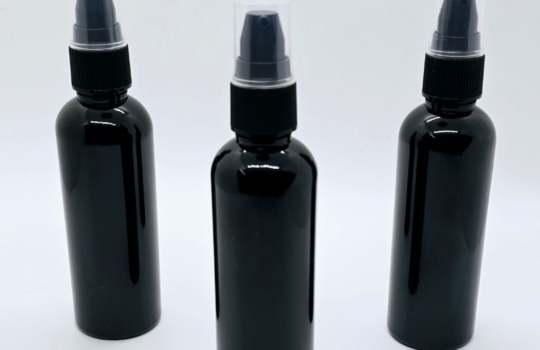
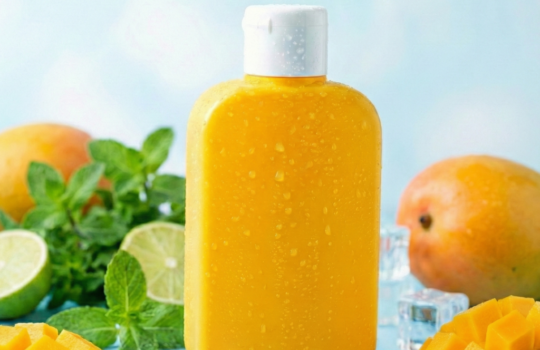
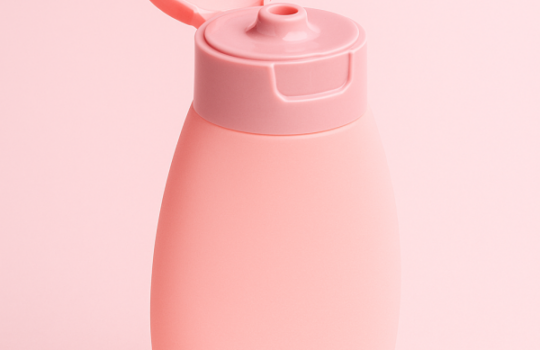
- PET bottles — Lightweight, shatterproof, and cost-effective. Great for toners, micellar water, face washes, and body lotions. PET plastic is BPA-free and recyclable, making it a popular choice for eco-aware brands.
- HDPE bottles — Thicker, more opaque plastic used for shampoos, conditioners, body washes, and hair oils. HDPE is chemical-resistant and durable, ideal for thicker formulas.
- Glass bottles — Premium look and feel. Ideal for serums, face oils, luxury toners, and perfumes. A glass dropper bottle is the go-to choice for face serums and essential oils.
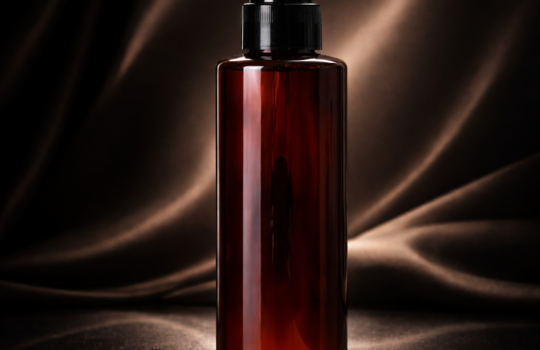
- Lotion pump bottles — These come fitted with a pump dispenser for easy, mess-free dispensing of lotions, creams, and liquid serums. A lotion pump bottle is a staple for moisturisers and body lotions.
- Airless bottles — Use vacuum technology to dispense product without exposing it to air. An airless bottle is perfect for oxidation-sensitive formulas like Vitamin C serums, retinol creams, and peptide moisturisers.
Explore the full range of cosmetic bottles on Packdost — from PET to glass to airless options.
Jars
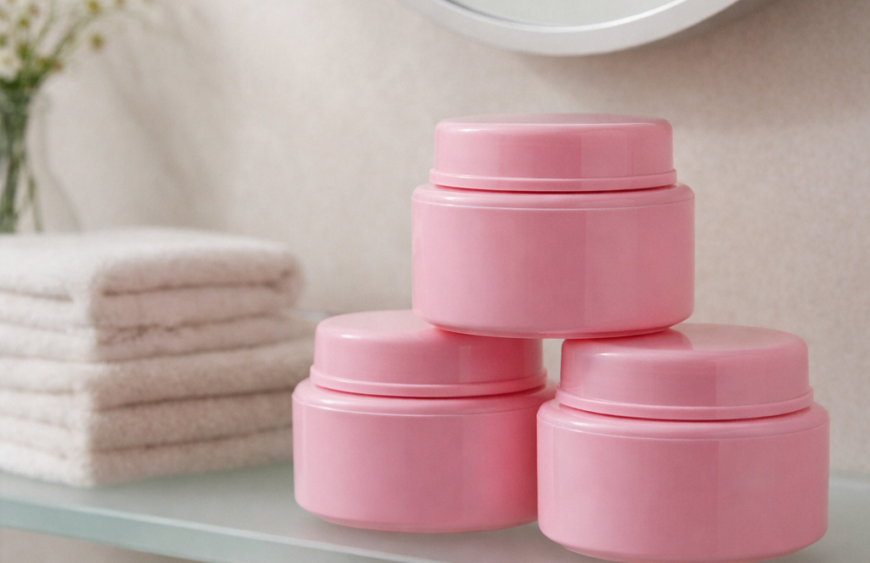
Jars are ideal for thick formulas that can’t easily be pumped or squeezed — think face creams, body butters, whipped moisturisers, hair masks, and scrubs.
- Cosmetic cream jars — Wide-mouth jars in plastic or glass, available in 15g, 25g, 30g, 50g, 100g, and 200g sizes. A cosmetic jar is the most common packaging for face creams and overnight masks.
- Acrylic jars — Look like glass but are lighter and shatterproof. Loved by premium skincare brands for their crystal-clear appearance.
- Glass jars — Heavier, premium-feel containers used by luxury and ayurvedic brands. They’re inert, meaning they won’t react with your formula.
- Double-wall jars — Two-layer plastic construction that gives an upscale, thick-walled look without the weight of glass.
Browse all cosmetic jars on Packdost — including acrylic, glass, and double-wall options with inner lids.
Tubes
Tubes are hygienic and easy to use — customers squeeze out exactly what they need, and the formula stays clean throughout the product’s life.
- Squeeze tubes — Flexible plastic tubes, typically in laminate or aluminium, used for face washes, sunscreens, hand creams, and serums.
- Airless tubes — Combine the hygiene of tubes with airless pump technology. Excellent for anti-ageing formulas, eye creams, and serums that degrade with air exposure.
Roll-ons and Droppers
Roll-on bottles are used for under-eye serums, déodorants, migraine roll-ons, and perfume oils. They provide precise, controlled application. A glass dropper bottle (or serum bottle) is the standard format for face serums and essential oil blends — the dropper allows drop-by-drop dispensing, reducing waste and ensuring accurate dosing.
Pouches and Sachets
Pouches and sachets are ideal for sample distribution, travel kits, single-use face masks, and hair treatments. They’re lightweight, cost-effective, and excellent for testing new products with customers before committing to bottles or jars. Many Meesho sellers and D2C brands use sachets to offer trial packs alongside their main products.
How to Choose the Right Cosmetic Packaging for Your Product
Learning how to choose cosmetic packaging comes down to matching your formula’s properties with the right container. Here’s a simple decision framework for beginners:
| Product Type | Best Packaging |
|---|---|
| Face serum (thin, liquid) | Glass dropper bottle or airless bottle |
| Face cream (thick) | Cosmetic jar or airless pump |
| Body lotion | Lotion pump bottle or HDPE bottle |
| Face wash / cleanser | PET bottle with flip-cap or pump |
| Sunscreen | Squeeze tube or lotion pump bottle |
| Hair oil | Glass bottle or PET bottle with dropper |
| Body butter / scrub | Wide-mouth glass or plastic jar |
| Eye cream | Small airless tube or jar (15g–30g) |
| Sample / trial packs | Sachet or small pouch |
Also consider your price point. A premium brand targeting salons in Delhi or wellness stores in Kochi will want glass or acrylic. A value-for-money brand for everyday consumers in Indore or Nagpur will do well with PET or HDPE.
Materials Explained — Plastic vs Glass vs Acrylic
Each material has trade-offs that matter for your brand:
- Plastic (PET / HDPE / PP) — Affordable, lightweight, and shatterproof. PET is transparent and great for showcasing coloured formulas. HDPE is used for thicker, opaque products. PP (polypropylene) is used for caps and small containers. Best for high-volume, cost-sensitive products.
- Glass — Premium, inert, and 100% recyclable. Glass doesn’t leach chemicals into formulas, making it the gold standard for sensitive skin serums, essential oils, and natural/ayurvedic products. The downside: heavier, more fragile, and pricier to ship.
- Acrylic — The best of both worlds. Looks like glass, weighs less, and is shatterproof. Widely used in upscale skincare and cosmetics packaging. Acrylic jars and bottles photograph beautifully — a key advantage for D2C brands selling on Instagram or their own website.
Understanding MOQ — What Cosmetic Packaging for Beginners Means in India
MOQ stands for Minimum Order Quantity — the smallest number of units you can buy from a supplier in one order. For new beauty brands, MOQ is often the biggest barrier to getting started.
Traditional packaging suppliers in India — particularly large manufacturers in cities like Ahmedabad, Chennai, and Kolkata — often have MOQs of 500, 1,000, or even 5,000 units. That’s a significant upfront investment when you’re still testing your formula or building your first batch.
Low MOQ cosmetic packaging India options have changed the game for indie beauty founders. With low MOQ cosmetic packaging India suppliers like Packdost, you can order as few as 50–100 units across multiple SKUs — letting you test different containers, validate what sells, and grow at your own pace without tying up capital in excess inventory. This is why understanding cosmetic packaging for beginners starts with finding a supplier that offers flexible quantities.
Cosmetic Packaging for New Beauty Brands Across India
The Indian beauty market is thriving in every corner of the country, and cosmetic packaging India suppliers are increasingly catering to this distributed demand. Here’s what we see across major cities:
- Mumbai — Home to India’s largest concentration of D2C beauty brands and retail buyers. Brands here typically go for premium glass and acrylic packaging for salon and e-commerce channels.
- Delhi and NCR — A hub for bridal beauty brands and makeup companies. Packaging demand skews toward elegant jars and glass dropper bottles for luxury serums and bridal skincare kits.
- Bangalore — India’s startup capital has a booming indie beauty scene. Tech-savvy founders here prefer clean, minimalist packaging with airless technology to protect bioactive formulas.
- Hyderabad — Strong ayurvedic and herbal brand community. Glass jars and amber glass bottles are popular for preserving the integrity of herbal formulations.
- Pune — Growing D2C market with a focus on sustainable packaging. PET and recycled plastic options are in demand.
- Ahmedabad — A major packaging manufacturing hub and home to many wholesale buyers stocking up on cosmetic jars and bottles for retail distribution.
- Surat — Many Meesho and social commerce sellers operate here, driving demand for affordable, low-MOQ sachets, pouches, and small PET bottles for sample packs.
- Kolkata — Traditional beauty market with a growing modern skincare segment. Demand for both classic glass jars and contemporary airless pumps.
- Jaipur — Known for its vibrant artisanal and natural beauty brands. Clay-based and herbal products are typically packaged in glass or ceramic-look plastic jars.
- Coimbatore — A textile and industrial city with a growing home-based beauty product community. Affordable squeeze tubes and small jars are popular.
- Kochi — The wellness and Ayurveda capital of South India. Brands here favour traditional glass packaging for oils and herbal creams.
- Lucknow — A rapidly growing consumer market with demand for mid-range skincare packaging — lotion pump bottles and cream jars are common.
- Nagpur — An emerging cosmetics hub in central India, with home formulators looking for low MOQ options for face creams and hair care products.
- Indore — A booming D2C and FMCG city. Many small beauty brands here start with affordable PET bottles and scale into glass as they grow.
Whether you’re a home formulator in Coimbatore or a funded brand in Bangalore, wholesale cosmetic packaging India is now accessible at every budget level through platforms like Packdost.
Common Beginner Mistakes to Avoid
As you start sourcing cosmetic packaging for beginners, watch out for these frequent pitfalls:
- Buying without testing compatibility — Always test your formula in the actual packaging before placing a large order. Some ingredients (like citrus essential oils) can degrade certain plastics over time.
- Ignoring viscosity — Thick creams won’t flow through narrow dropper openings. Match your bottle’s neck size and pump mechanism to your formula’s thickness.
- Overlooking fill capacity — A 50ml bottle doesn’t always hold exactly 50g of product. Density varies by formula. Always weigh, don’t just measure by volume.
- Skipping inner lids on jars — A jar with an inner lid (inner cap) provides an extra seal that prevents leakage and contamination. Essential for creams and gels.
- Ordering too many too soon — Start with low MOQ to test the market. Scale up only once you know a product sells well.
- Choosing based on looks alone — Beautiful packaging that doesn’t function properly will hurt your brand. Prioritise functionality first, then aesthetics.
Why Packdost is Perfect for First-Time Buyers
If you’re just starting out, Packdost is designed with you in mind. Here’s why thousands of Indian beauty entrepreneurs — from Meesho sellers to ayurvedic brand founders — trust Packdost for their cosmetic packaging for beginners needs:
- Low MOQ — Start small, grow big. No need to invest in 1,000 units when you’re still validating your product.
- Wide selection — Everything from glass dropper bottles and airless pumps to cosmetic jars, squeeze tubes, and sachets — all in one place.
- Pan-India delivery — Fast shipping to Mumbai, Delhi, Bangalore, Chennai, Hyderabad, Pune, Ahmedabad, Kolkata, Surat, Jaipur, Coimbatore, Kochi, Lucknow, Nagpur, Indore, and beyond.
- Transparent pricing — No hidden charges, no confusing quotation processes. See prices online and order with confidence.
- Beginner-friendly — Whether you’re a home formulator, a D2C brand founder, or a bridal beauty entrepreneur, Packdost’s catalogue is easy to navigate with clear product specs.
India’s beauty and personal care industry is one of the fastest-growing sectors in Asia. According to the India Brand Equity Foundation (IBEF), the sector is projected to reach $28 billion by 2030 — driven by D2C brands, home formulators, and rising consumer demand for premium packaging.